

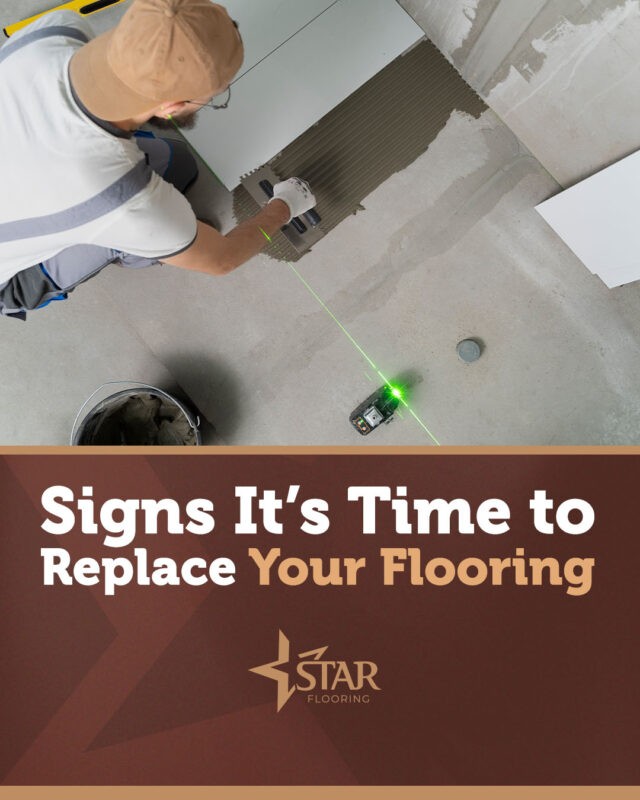
Recognizing the physical and structural indicators of floor aging is essential for maintaining a home’s safety and property value. Over time, floors undergo significant stress, manifesting as deep scratches, permanent staining, or structural instability like “crowning” in wood or “peaking” in vinyl. Technically, when the wear layer is depleted or the core material becomes compromised by moisture, the floor can no longer provide the necessary protection or insulation. Identifying these signs early—such as persistent creaking, visible gaps, or localized soft spots—allows homeowners to transition to modern, high-performance materials before underlying subfloor damage occurs, ensuring a fresh start with improved durability and aesthetic elegance.
Assessment Strategy: Diagnostic Checkpoints
- Surface Depletion: If the texture is gone and the floor feels “raw” or porous, the protective wear layer has failed and can no longer resist spills or stains.
- Structural Noise: Frequent, loud creaking or a “hollow” sound when walking often indicates that the locking system or adhesive has failed, compromising the floor’s stability.
- Moisture Damage: Visible mold, warped edges, or “cupping” are definitive signs that moisture has breached the material, necessitating immediate replacement to protect your health.
- Persistent Odors: If deep-seated odors remain after professional cleaning, it typically means bacteria or mold have moved into the underlayment or subfloor.
In conclusion, understanding when to replace your flooring is a vital part of home stewardship. By choosing a timely replacement, you protect your home’s infrastructure while embracing modern designs that offer superior comfort and style.
👉 Learn more about with Star Flooring.
