

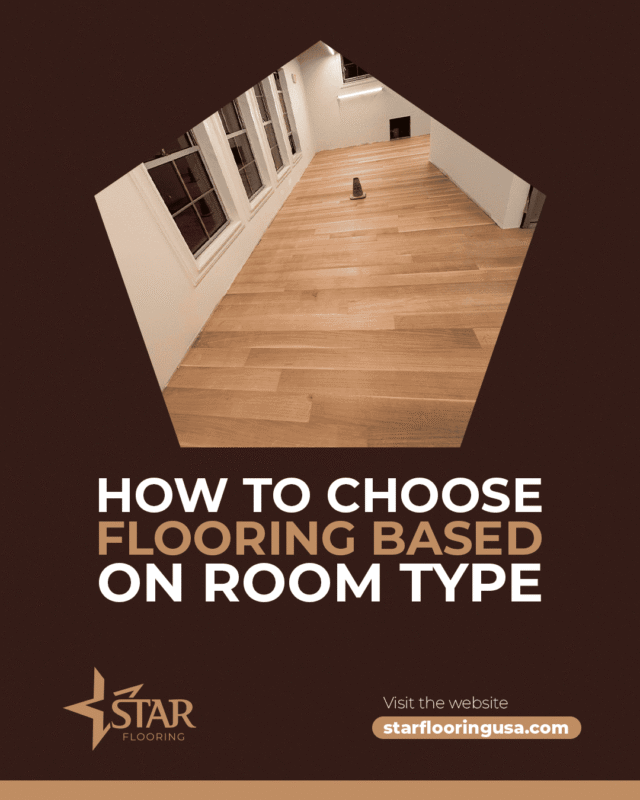
Selecting the ideal flooring is a critical technical decision that goes beyond mere aesthetics; it requires a precise analysis of environmental stressors and mechanical demands. Each room in a property presents a unique set of variables, such as moisture levels, foot traffic density, and acoustic requirements. The main concept behind a room-specific selection is to align the material properties with the room’s function to maximize the lifecycle of the investment. By choosing the correct technical specification—whether it is a high-density core for a kitchen or an underlayment-compatible plank for a bedroom—the user benefits from optimized maintenance, enhanced comfort, and the preservation of the building’s structural integrity.
From a technical standpoint, the selection process must evaluate the Abrasion Class (AC Rating) and the material’s reaction to humidity. In “wet areas” like bathrooms and laundry rooms, Luxury Vinyl Tile (LVT) or Stone Plastic Composite (SPC) is the industry standard due to its 100% waterproof nature and dimensional stability. Conversely, for high-traffic “dry areas” like living rooms or corridors, a high-grade Laminate with an AC4 or AC5 rating offers superior resistance to impact and scratches. For bedrooms, the focus shifts to thermal resistance and acoustic dampening, where engineered wood or specific vinyl planks with integrated cork underlayment provide the necessary decibel reduction and foot warmth required for a private sanctuary.
Highlights
Modern flooring technology allows for aesthetic continuity throughout a project while varying the technical specs behind the scenes. Current trends favor multi-layer construction that resists indentation even in heavy furniture zones. Star Flooring assists with the project by providing expert technical consultations to determine the exact wear layer thickness and core composition required for each zone. Our versatility ensures that you can achieve a uniform wood-look across the entire floor plan while utilizing moisture-proof technology in the kitchen and high-impact durability in the entryway.
Risks and Impacts
- Moisture Infiltration: Installing non-waterproof materials like traditional hardwood in bathrooms leads to swelling, warping, and mold growth.
- Subfloor Preparation: Improper leveling can cause joint failure in click-lock systems, particularly in large open-plan areas.
- Acoustic Transmission: Neglecting the Sound Transmission Class (STC) rating in upper-floor rooms can result in excessive noise transfer to lower levels.
- Thermal Expansion: Failure to leave proper expansion gaps around the perimeter can cause the floor to “peak” or buckle during temperature shifts.
Conclusion
The technical success of an interior project depends on matching the physical capabilities of the flooring to the specific rigors of the environment. A room-by-room approach ensures that practicality and structural longevity are never compromised for the sake of design.
👉 Learn more about with Star Flooring.
